
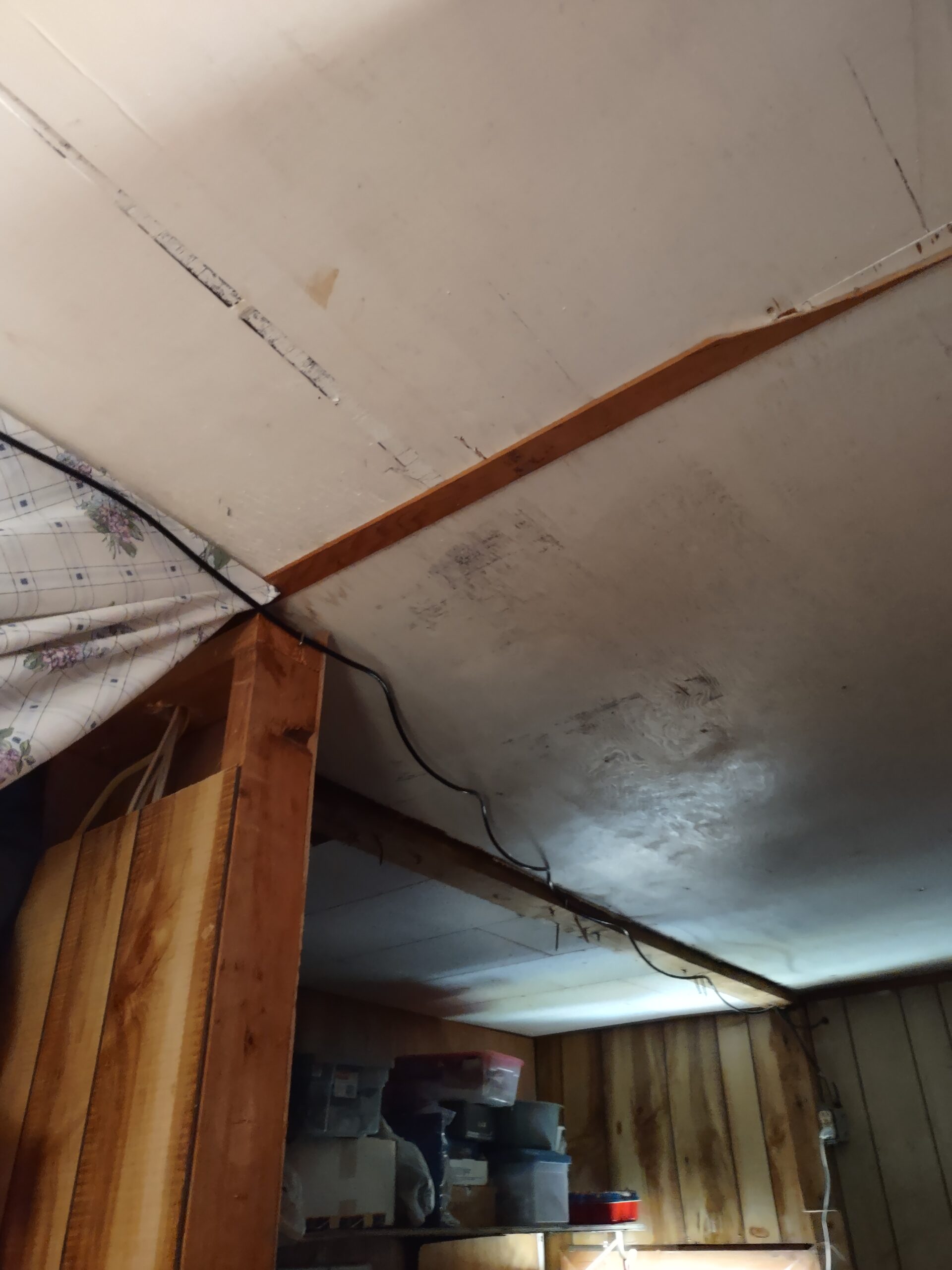
On a single day, the opinions of our colleague Dr. Parham Azimi, Research Associate in the Healthy Buildings Program at the Harvard T.H. Chan School of Public Health, were featured in two New York Times Real Estate articles. That dual spotlight — one article on household mold anxiety and another on the viral trend of “house burping” — underscores how central his work has become to the way we think about moisture, mold, and ventilation in buildings.
New York Times reporter Dorie Chevlen, who covers real estate and the housing industry, noticed a surge in online searches and social media content about terms like “mold toxicity” and “what is toxic mold.” She reached out to several experts, including Dr. Azimi, with one key question:
Should we be more worried about mold than before?
Dr. Azimi and other experts agreed that while mold risk in homes is real, there is no strong evidence that mold-related illness is increasing. Mold problems are fundamentally moisture and ventilation problems, and we already have practical, low‑cost tools to reduce them. In his conversation with Ms. Chevlen, Dr. Azimi highlighted how building ventilation — especially whether windows are kept open or closed — affects mold presence and control. That insight directly informed the second article on “house burping” and the need to increase natural ventilation or outdoor air exchange in homes.
“People Are Getting Worried About Household Mold. Should You Be?“
In the first article, Dr. Azimi noted that despite growing public concern and more scientific publications on mold, he has not seen convincing research showing that mold-related illness is rising over time. One reason is that there is no standardized way to measure and compare mold problems across studies and locations. As a result, we cannot simply declare a nationwide “mold epidemic.” Instead, mold risk is highly local and strongly shaped by building conditions, water intrusion, and how we operate our homes.
“Should We All Be ‘House Burping’?”
The second article explores the German practice of lüften — opening windows once or twice a day, even in cold weather, to air out indoor spaces. Here, Ms. Chevlen continued her discussion with Dr. Azimi, whose research shows that homes with low outdoor air ventilation are more likely to have mold problems. Regularly opening windows, when conditions allow, helps control indoor moisture and supports healthier indoor air.
Taken together, these two same-day features highlight a simple but powerful message from Dr. Azimi’s work:
- control moisture and water intrusion
- fix leaks and water damage quickly
- increase ventilation
Read the full NYT stories here:
https://www.nytimes.com/2026/01/29/realestate/household-mold-search-traffic-trend.html
https://www.nytimes.com/2026/01/29/realestate/what-is-house-burping-luften.html